
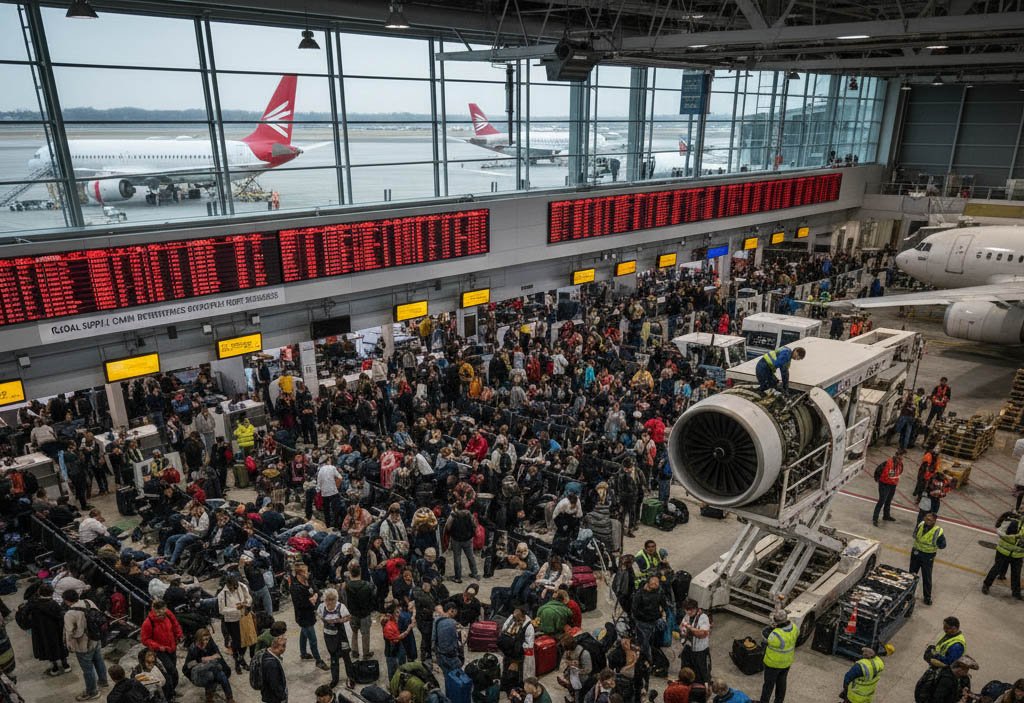
The Eleven Billion USD Nightmare: How Delayed Aircraft Production is Grounding the Future of Air Travel
Published on
October 13, 2025
By: Tuhin Sarkar

The aerospace industry faces a critical supply chain crisis that is deeply affecting global airlines. As delays in aircraft production and parts supply continue to escalate, airlines are grappling with rising costs and operational challenges. With the commercial aircraft backlog reaching over 17,000 planes in 2024, airlines are being forced to keep older, less efficient aircraft in service for longer. This decision is impacting their profitability and their ability to meet growing passenger demand. In 2025, these supply chain disruptions are expected to cost the airline industry more than $11 billion.
Rising Costs Due to Aircraft Delays
The ongoing delays in aircraft production are being driven by multiple factors, including supply shortages and labour market challenges. As a result, airlines are forced to hold on to aging fleets, which come with significant cost burdens. The operational costs of maintaining older aircraft are substantial, and airlines are feeling the pressure.
Fuel costs are one of the biggest contributors to this financial strain. Airlines are operating older, less fuel-efficient aircraft because new planes are not being delivered on time. This is expected to cost the industry approximately $4.2 billion in 2025. The need for more fuel and the inefficiency of older engines further amplify this issue, especially as airlines are unable to replace these aircraft promptly due to delays in production.
Maintenance costs are another major concern. As fleets age, the frequency and cost of maintenance increases. In total, the industry is expected to spend an additional $3.1 billion in 2025 on keeping these older planes in working condition. Older aircraft often require more frequent repairs, which increases operational downtime and costs for airlines.
The Impact of Delays on Aircraft Leasing and Parts Inventory
Leasing costs for engines have also spiked due to the delayed delivery of new aircraft. Airlines now face an additional $2.6 billion in leasing costs in 2025. Aircraft engines, which traditionally spend less time on the ground, are now grounded for longer periods due to the lack of new aircraft. Consequently, airlines are seeking more engine leases, which has led to a 20–30% rise in lease rates since 2019.
On top of this, airlines are being forced to stockpile spare parts, which also drives up costs. The global parts inventory has expanded to cope with supply chain disruptions. This inventory expansion is expected to cost airlines around $1.4 billion in 2025. Airlines are taking this step in order to ensure they have the necessary parts on hand to maintain their fleets and avoid further delays in aircraft operations.
Growing Demand for Air Travel and Limited Capacity
As airlines struggle with delays and higher costs, global demand for air travel continues to surge. In 2024, passenger demand rose by 10.4%, while capacity expansion was only 8.7%. This gap between demand and supply is pushing load factors to record highs of 83.5%. Airlines are unable to expand their fleets fast enough to accommodate the growing number of passengers, leading to overcapacity issues and significant operational strain.
The imbalance between demand and supply is also putting pressure on ticket prices. Airlines may have to raise fares in an attempt to cover their mounting costs, which could affect customer satisfaction and potentially reduce demand in the long run. The rising costs and strain on resources could also lead to delays in flight schedules, affecting passengers’ travel experiences.
The Global Supply Chain Challenge
The root causes of these supply chain delays are multifaceted. The geopolitical instability, raw material shortages, and tight labour markets have all contributed to disruptions in production. These challenges have prevented manufacturers from ramping up aircraft production to meet demand. While manufacturers have made some strides in addressing these issues, it remains to be seen how long it will take to restore a fully functioning supply chain.
The current economic model in the aerospace sector, which relies heavily on the stability of the supply chain, is no longer sufficient to cope with these disruptions. As a result, airlines are being forced to adapt their strategies and find new ways to keep their fleets operational.
Collaborative Solutions for a Resilient Supply Chain
To address these challenges, the aerospace industry must adopt collaborative solutions. There is no quick fix to the current supply chain crisis, but several strategies can help mitigate the effects. One key recommendation is to open up the aftermarket to allow more flexibility in the supply of parts and services. This would give airlines greater choice and better access to the parts they need to maintain their fleets.
Additionally, improving supply chain visibility is essential. By creating more transparency across all levels of the supply chain, airlines and manufacturers can spot risks early and reduce bottlenecks. The use of better data tools can help streamline the entire chain, making it more resilient to future disruptions.
Expanding repair and parts capacity is another critical measure. Accelerating repair approvals and supporting the use of alternative parts and serviceable materials can ease the strain on the supply chain. Manufacturers must also explore advanced manufacturing techniques to address production bottlenecks.
Looking to the Future of Aircraft Production
Despite the ongoing challenges, the aerospace industry remains optimistic about the future. Airlines, original equipment manufacturers (OEMs), and suppliers must collaborate more closely to tackle the complex issues facing the supply chain. By working together, the industry can rebuild a more resilient and efficient supply chain that benefits everyone involved.
The key to resolving these challenges lies in collective action. All stakeholders in the aerospace industry, including airlines, OEMs, suppliers, and lessors, must take a strategic approach to ensure that production and maintenance capabilities can meet the demands of the future. This is essential for ensuring the long-term growth and sustainability of the aviation sector.
Conclusion: Reshaping the Aerospace Industry for the Future
The aerospace industry’s supply chain crisis is far from over, but with the right steps, the sector can recover and emerge stronger. Airlines must continue to innovate and adapt to the challenges posed by delayed aircraft production and parts supply. While the costs associated with these disruptions are significant, the industry’s ability to collaborate and improve transparency will play a critical role in overcoming the current obstacles.
As airlines struggle to meet demand while dealing with production delays and rising operational costs, the industry’s collective response will determine the trajectory of the global aviation market. Through strategic collaboration, better data, and new approaches to production, the aerospace industry can build the resilience it needs to thrive in an increasingly complex and competitive global market.



